Hearing scratching, scurrying or gnawing above your head is enough to make anyone uneasy. The loft or attic is one of the most common places for rats to set up home, because it offers warmth, insulation to burrow into, and plenty of hidden runways where they can move undisturbed. Left unchecked, those noises in the roof space can turn into chewed cables, damaged insulation and even a potential fire risk. Choosing the best rat trap for lofts is not just about catching a couple of rodents; it is about protecting your home from serious, expensive damage.
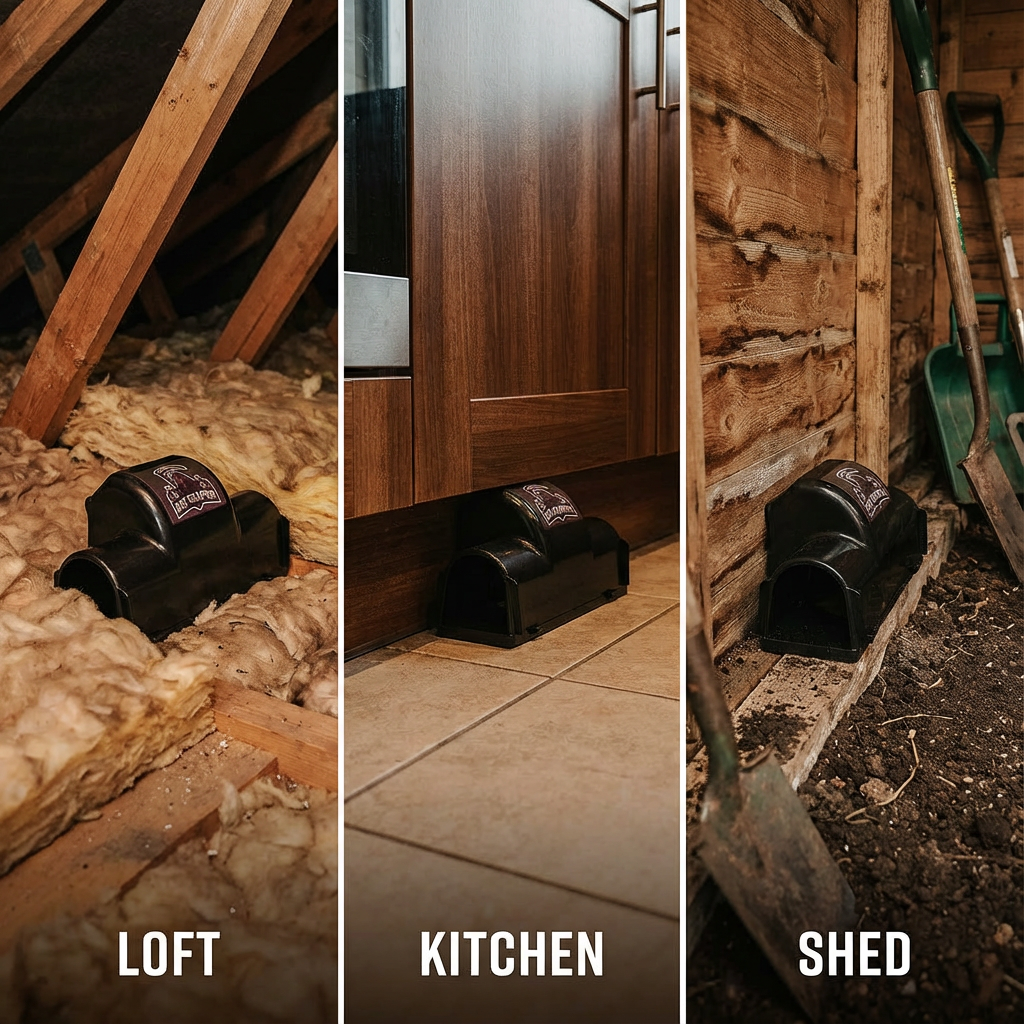
Many homeowners start by reaching for poison or a cheap wooden snap trap. At first glance, these seem like quick, low‑cost fixes, but they come with problems. Rodenticides can lead to rats dying in inaccessible places in the loft, leaving behind strong odours and flies, and they carry a risk to pets and wildlife if misused. Traditional exposed snap traps, meanwhile, can be awkward to set safely in cramped roof spaces and may be triggered accidentally while being placed between joists or near wiring. A modern, enclosed, instant‑kill trap like Rat Reaper is designed specifically to avoid these issues and perform reliably in exactly this kind of domestic environment.
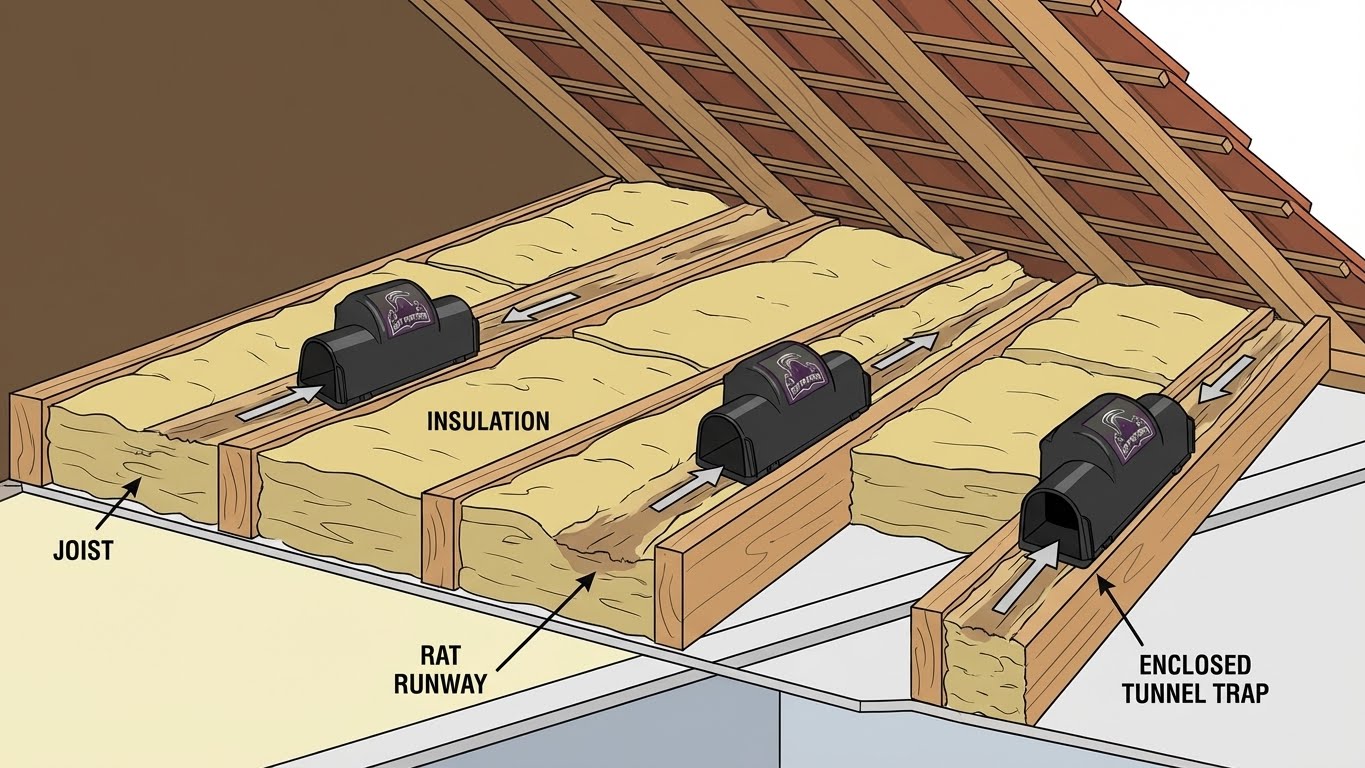
In a loft, visibility is poor, footing is unstable, and you are usually working on narrow joists with deep insulation on either side. That is where Rat Reaper's covered tunnel and dual‑entry design come into their own. The trap forms a see‑through tunnel that rats instinctively treat as a safe passage along their regular route instead of a suspicious dead end. This means they are more likely to commit fully and move through the trap, rather than simply sniffing around the entrance. At the same time, the powerful internal mechanism delivers an instant, humane kill once the rat reaches the trigger point, so you are not left dealing with half‑caught or suffering animals.
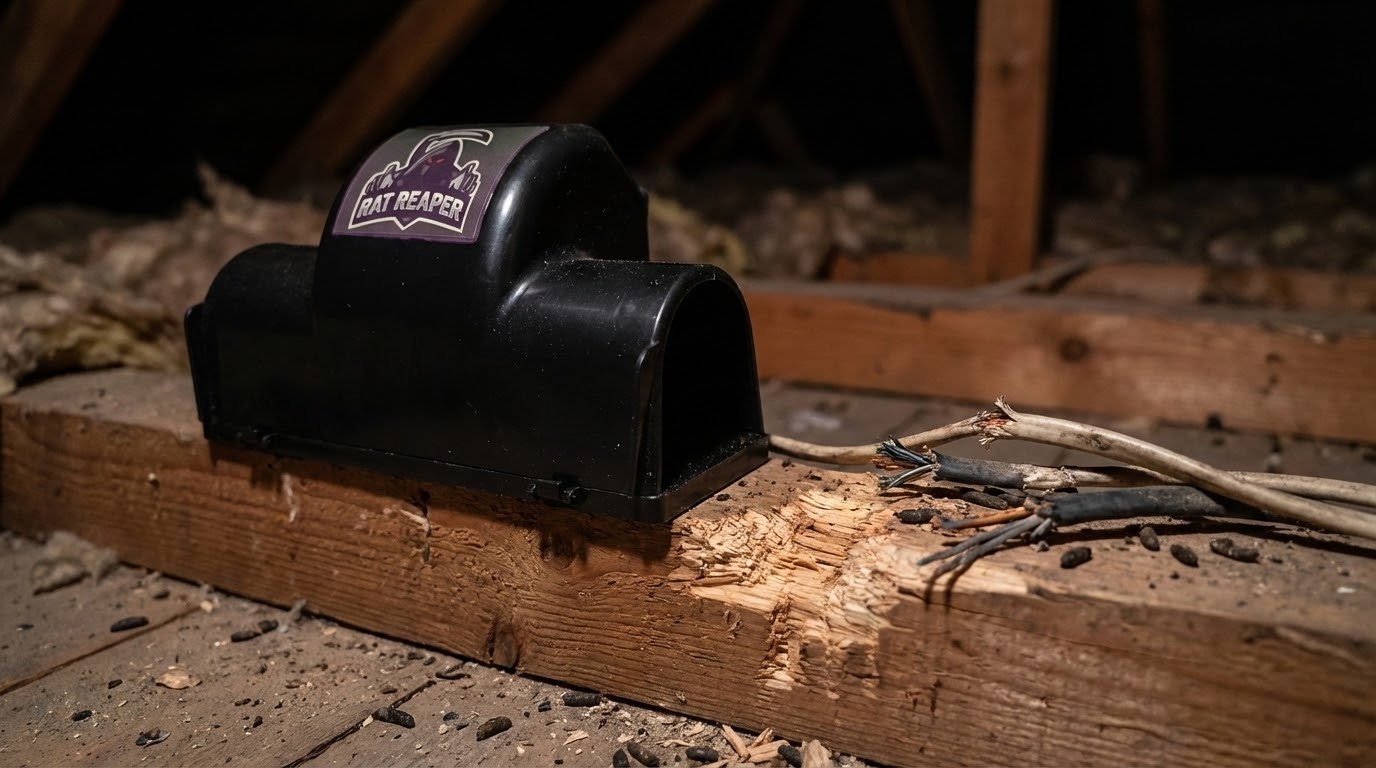
Lofts are also full of things you do not want to touch the business end of a trap: stored boxes, suitcases, bags of clothes, and of course your hands while you are manoeuvring between rafters. With an enclosed trap, the mechanism is safely contained inside the housing, so there are no exposed metal jaws waiting to catch fingers as you position it. That makes it far safer to set up in tight spaces than uncovered wooden traps, especially if you need to place several units across different runways to clear a larger infestation. Once in position, the low‑profile tunnel sits neatly on a joist or on a stable board laid over the insulation, ready to intercept any rats using that route.
Bait choice also matters in the loft. Food sources are often limited to things like bird seed, pet food, or crumbs that have fallen through from the rooms below, so you need a highly attractive bait that stands out. Rat Reaper uses a peanut‑butter‑based attractant formulated to be more oil‑rich and longer‑lasting than ordinary peanut butter, which is already widely recommended as one of the most effective baits for rats. In a warm roof space where standard peanut butter might dry out overnight, this slower‑drying, aromatic bait keeps working for days, reducing the number of trips you need to make up into the loft to rebait traps.
Another advantage of choosing the right trap for loft use is control over where bodies end up. With poison, rats can die deep inside insulation, in wall cavities, or behind boxed‑in pipework, causing smell and hygiene problems that are difficult to resolve. The same principles apply to garden and shed locations where poison can also create similar issues. With a mechanical trap, you know exactly where the animal will be: inside the tunnel. The body is contained, out of sight, and easy to remove and dispose of without having to hunt around the roof space for the source of an odour. This makes clean‑up quicker and less unpleasant, and helps you confirm when the infestation has been successfully cleared.
To get the most from Rat Reaper or any similar trap in your loft, combine good hardware with smart placement. Look for tell‑tale signs such as droppings, smear marks, gnawed timbers, or disturbed insulation, and place traps directly on these runways, ideally against solid edges like joists, pipes, or walls which rats naturally follow. Deploy multiple traps if you have a larger loft or heavy activity, and leave them in place for at least a week, checking regularly and rebaiting as needed until all signs of activity stop. Sealing entry points afterwards will help prevent new rats from moving in.
When you weigh up all these factors, the best rat trap for lofts is one that combines instant kill, smart design, and built‑in safety. An enclosed tunnel trap with dual entrances, long‑life bait and a powerful internal mechanism gives you professional‑grade performance in a format that is easy and safe to use in awkward roof spaces. For homeowners who want to stop the scratching in the ceiling, protect their wiring and insulation, and avoid the mess and risk of poisons, Rat Reaper offers a modern, targeted solution that is purpose‑built for the job.